

Money Transmitter License Lawyer
A Money Transmitter License (MTL) is a regulatory authorization required for businesses engaged in transmitting funds, processing payments, dealing in virtual currencies, or providing other money services. Operating without the appropriate licenses can result in significant legal penalties and business disruptions. MTL requirements vary by state, making compliance particularly complex for companies operating across multiple jurisdictions.
At Cogent Law, we specialize in navigating these complexities and ensuring that businesses meet all applicable federal and state regulatory requirements.
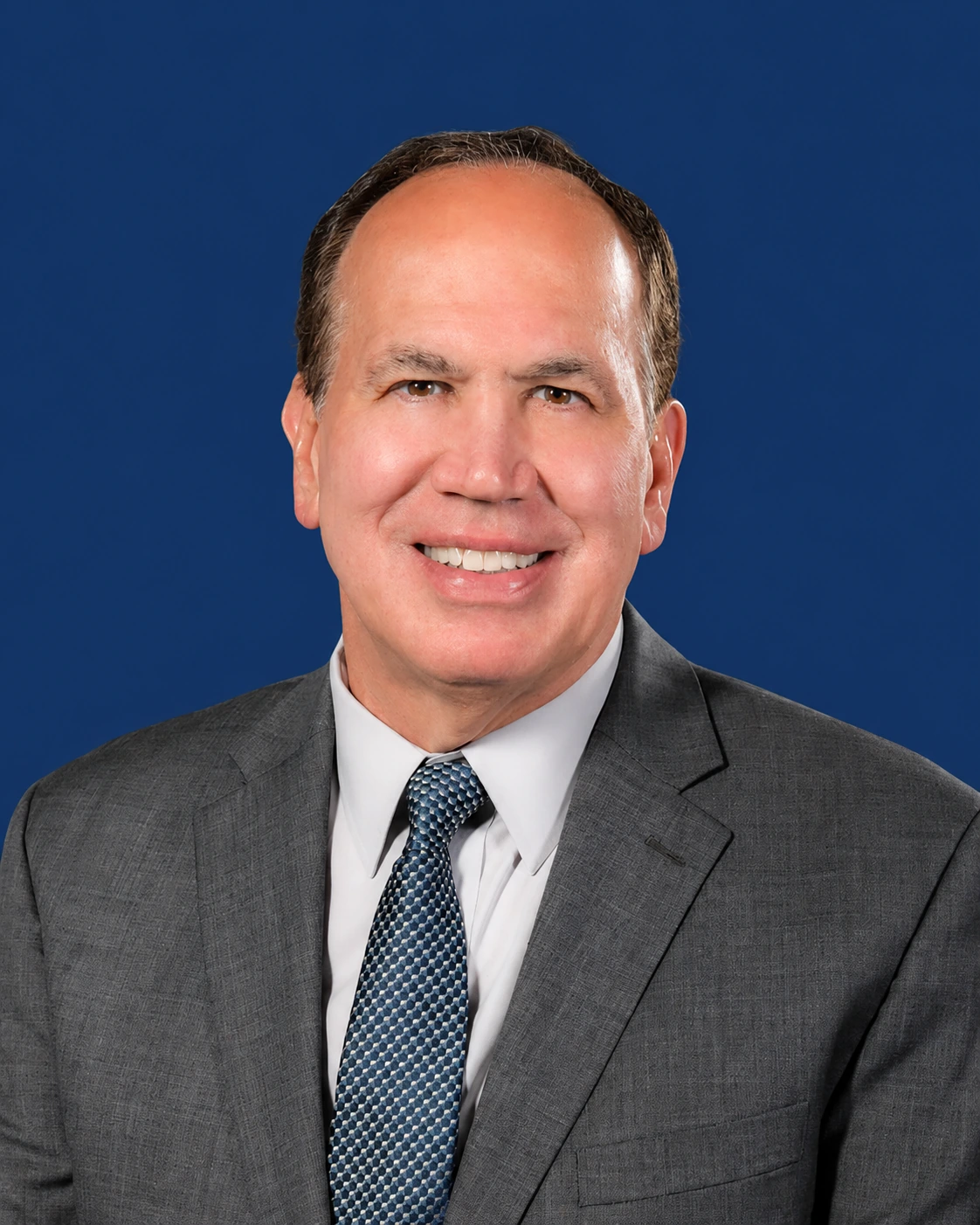
Counsel in this practice: Joshua Radbod, Allison Maffitt, Ari B. Good, Mark Dabertin, Sasha Hodder.
Who Needs A Money Transmitter License?
If your business handles the transfer or exchange of money or value, you may be subject to MTL requirements in one or multiple jurisdictions.

How Cogent Law Can Help
Cogent Law offers comprehensive, end-to-end legal support for businesses seeking to obtain and maintain Money Transmitter Licenses. Our services include:
Benefits of Hiring an Attorney for Money Transmitter Licensing
Does Your Business Need a Money Transmitter License?
If your company handles payments, digital assets, crypto exchanges, or fund transfers—you may need a Money Transmitter License (MTL) to operate legally in the U.S. We created a free guide, "Navigating Money Transmitter Licenses (MTLs)," to help founders, compliance officers, and fintech operators understand:
• What qualifies as money transmission under state and federal law
• Whether your business model requires an MTL (even if you're crypto-only)
• The application and approval process across multiple U.S. jurisdictions
• How to stay compliant long after your license is issued
• What to expect when partnering with a legal team like Cogent Law
This guide was developed by Cogent Law, a legal team that has helped fintechs and crypto businesses secure MTLs in all 50 states, D.C., and Puerto Rico.
Download Free GuideWhat to Expect When Working With Cogent Law
Initial Consultation
We'll discuss your business model, goals, and potential regulatory requirements.
Tailored Compliance Plan
Our team will develop a customized strategy addressing your specific MTL needs.
Application Preparation & Submission
We will prepare, review, and submit all required documentation, ensuring accuracy and completeness.
Regulatory Engagement
Our attorneys liaise with state regulators on your behalf to facilitate the application and approval process.
Ongoing Support
We provide continued counsel for compliance maintenance, license renewals, and adapting to regulatory changes.
Availability
Attorneys that answer the phone when you call!
Explore Further
Related Resources
Related Attorneys
Speak with a Cogent Law attorney in this practice
These attorneys advise clients on matters directly related to this practice area. Reach out for a confidential discussion about how it applies to your business.




Frequently Asked Questions: Money Transmitter Licenses (MTLs)
Activities that may require an MTL include transmitting funds on behalf of others, issuing or selling payment instruments, exchanging currencies (including virtual currencies), and maintaining stored value products. Even businesses that don't consider themselves "money transmitters" may still fall under regulatory definitions, making a legal assessment essential.
No, federal registration alone is not sufficient. While money services businesses must register with FinCEN at the federal level, most states impose separate licensing requirements for money transmission. Depending on where your customers are located, you may need multiple state licenses to operate legally across the U.S.
The timeframe varies by state and the complexity of your business model. On average, obtaining an MTL in a single state can take 3 to 12 months. Businesses seeking licenses in multiple jurisdictions should anticipate a longer and more complex process, often requiring dedicated compliance resources and legal support.
Most states require applicants to meet minimum net worth thresholds, which can vary significantly. Additionally, businesses are often required to post a surety bond, typically ranging from $10,000 to over $1 million, depending on transaction volumes and the state's requirements.
Potentially but it depends on your business model and the states involved. Some states have narrow exemptions for certain types of businesses or transactions. However, assuming an exemption without a proper legal analysis can expose your business to significant regulatory risk.
Many states classify businesses dealing in virtual currencies as subject to their money transmission laws. For example, companies offering crypto exchange services, wallet custody, or crypto ATMs often need MTLs. However, regulatory treatment varies by jurisdiction and is rapidly evolving.
Operating without required MTLs can result in civil penalties, criminal charges, injunctions, reputational harm, and potentially being barred from obtaining licenses in the future.
Not necessarily. While some states require a registered agent or local representative, most do not mandate establishing a physical office.
Cogent Law provides a centralized, coordinated approach to multi-state MTL applications. Our team ensures consistency across applications, manages communications with multiple regulators, and advises on jurisdiction-specific nuances.
Licensed money transmitters must maintain ongoing compliance, which typically includes filing regular reports with state regulators and FinCEN, maintaining surety bonds, undergoing audits and examinations, ensuring up-to-date AML and KYC programs, and timely renewal of licenses.